How Frequency Affects Generator Performance for Wholesale Buyers
Frequency is about how often electricity flows in a certain amount of time. Most countries use 50 or 60 hertz (Hz) as a standard frequency. A generator must run at the right frequency to work well. When the frequency is too high or too low, machines can behave strangely. For example, an electric motor may run slower or even stop completely if the frequency is too low. This affects equipment in factories a lot. If you’re buying generators for a large store or a factory, it is crucial they maintain the correct frequency. Kainch ensures our generators are finely tuned to stay at the right frequency to avoid issues that can waste time and money. If you're unsure about the frequency needed for your equipment, you must check the specifications or consult with an expert. A reliable generator can help avoid costly repairs and interruptions. It's not only about the power you need, but how that power operates in your machines. Wholesale buyers should remember that choosing the wrong generator could lead to unhappy customers and trouble meeting production needs. Regular maintenance and checks are key! Always looking closely at how generators perform can save stressful situations and keep your business running smoothly. By keeping frequency in check, it helps all machines to run as intended. Regular checks and buying from trusted brands like Kainch can make a world of difference in performance and reliability.
What Are Common Voltage Issues in Generator Sets and Their Solutions?
Voltage is like the pressure of electricity flowing in wires. If the voltage is too high, it can damage machines, and if it’s too low, the machines may not work at all. For instance, if a generator puts out 240 volts when it should only provide 120 volts, it could fry your electronics! Many buyers of generator sets face voltage issues. Sometimes, it happens because of changes in the electrical load. When many machines are turned on at once, it can lower the voltage. One common solution is to use an Automatic Voltage Regulator (AVR). This tool helps keep the voltage stable, no matter how many devices are running. With Kainch generators, we understand how vital it is to have stable voltage. That’s why we build them with advanced features that regulate voltage effectively. If you notice flickering lights or machines turning off unexpectedly, this could be a sign of voltage problems. Make sure to have a technician check the generator to avoid further issues. Another cause could be a bad connection in the wiring, which can also change the voltage being delivered. Periodic inspections can help spot these problems early. That means any adjustments or repairs can be made, preventing larger breakdowns in the future. Knowing your generator’s limits and having a regular service plan can keep your equipment in top shape, allowing your business to thrive without unexpected interruptions! Also, investing in a good-quality generator means fewer worries about voltage, keeping everything running smoothly.
How to Choose the Right Voltage and Frequency for Your Generating Needs
When you need to choose a generator, one of the most important things to think about is the voltage and frequency. Voltage is like the strength of the electric power that your generator can give. It tells how much energy can flow through the wires to power your devices. Most homes and buildings use 120 volts or 240 volts. If you have a small device or tool, it may only need 120 volts. For bigger machines, like air conditioners, you might need 240 volts. It is super important to match the voltage of the generator to what your devices need. If the voltage is too low, your devices won't work well. If it is too high, it could break them.
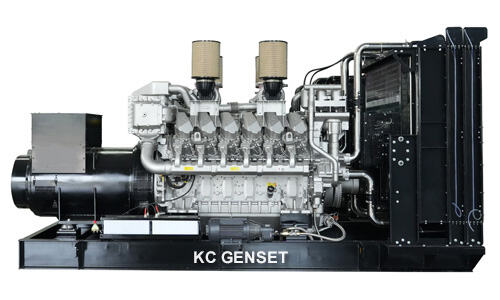
Frequency is another important part. It is how often the electricity changes direction, and it is measured in hertz (Hz). In the United States, most generators provide power at 60 Hz. Other countries might use 50 Hz. You need to check what your machines require. If you use a generator with the wrong frequency, it could damage your devices, just like using the wrong voltage.
Kainch provides generators that help you choose the right voltage and frequency for your needs. Our generators can adjust to different types of equipment, ensuring they work safely and effectively. When buying a generator, ask yourself, "What devices will I use, and what voltage and frequency do they need?" This way, you can be sure to pick the right generator. And remember, taking time to understand voltage and frequency can keep your machines running smoothly and safely.
The Importance of Load Capacity in Generators
Load capacity is a term used to describe how much power a generator can handle. Every device that uses electricity, like lights, fans, and refrigerators, has a power requirement, usually measured in watts. The load capacity tells you how many watts the generator can produce. If you try to connect more devices than the generator can handle, it might get overloaded. This can cause problems, like tripping a circuit breaker or even damaging the generator. Therefore, understanding load capacity is very important.
When choosing a generator, Kainch suggests that you first add up the wattage of all the devices you need to run. For example, if your refrigerator needs 800 watts, and your lights need 200 watts, that makes a total of 1,000 watts. Then, you should choose a generator with a load capacity that is higher than that total. It is a good idea to leave some extra room. If your total is 1,000 watts, you might want a generator that can handle around 1,300 watts or more. This extra power helps in case you use devices generator set that need a little more electricity than usual.
A generator that fits your load capacity will also help it last longer. If you constantly push a generator to its limit, it can wear out faster and need more repairs. Kainch’s generators are designed to handle various loads, so you can easily find one that matches your needs. Remember, the right load capacity will keep your generator safe, reliable, and ready to provide power when you need it most.
Voltage, Frequency, and Load Insights
Understanding voltage, frequency, and load is vital for anyone who uses a generator. Each part plays a role in ensuring that your machines work correctly. When diesel generator set you think about voltage, remember that it is about the energy coming out of the generator. If you have the right voltage matched to your devices, everything should operate smoothly. Next is frequency; making sure you have the correct frequency means your devices will work at their best. The wrong frequency can lead to problems and cause devices not to work properly.
Load is also crucial. Knowing how much power your generator can deliver means you can safely use several devices without risk. When you overload a generator, it might not only stop working, but it could also become a safety hazard. Always calculate how much power you need before you choose a generator to avoid this problem.
Kainch cares about helping you understand these concepts. Our diesel engine generator set guides can provide extra help in selecting the right generator based on your needs. We believe that everyone should have reliable power, and understanding voltage, frequency, and load is the first step. With our generators, you’ll be prepared for any power situation, making life easier and safer. So, whenever you need power, remember what you learned about voltage, frequency, and load. It will help you choose the right generator for your needs, ensuring that your home or work gets the energy it needs without problems.